
Ethical Credentials
When we founded Biome Lifestyle, three years ago, we thought that the two principles we would work to were simply style and the need to work in harmony with the natural environment. It turns out that the world is rather more complicated than that! Style is still our guiding light, of course, but the ethical principles we now uphold are broader and much more complex than simple eco-friendliness.
Of course the world’s ecology is vitally important to us all, and globalisation is not basically environmentally friendly. Apart from anything else, mass consumerism uses up our planet’s finite natural resources, and contributes to global warming. Plus, mass farming uses massive amounts of pesticides and fertilisers, and industrial-scale production can produce industrial quantities of toxins.
But globalised consumption has human side effects. It can lead to the ruthless exploitation of people in industrial sweatshops in poor countries, and to the impoverishment of the small-scale farmers who have to sell their goods to large-scale buyers in the developed world.
So now we have a kind of checklist of questions that we ask ourselves when we are looking for new products. We start, of course, with the basic issue of whether our customers will like the “look” of the item. Will it look good in your home? But then we get down to the ethics of the story behind the product.
We look at the impact of its production and sale, to see if it damages the environment in any way, either by its use of local resources, or by the way it’s transported. We like the use of recycled materials, and the production of recyclable products. Sustainable sources of raw materials are important, as are properly managed forests. And transport to the UK by ship would always be preferred to airfreight.
We look at who makes it, and how they are organised. We won’t sell products where we don’t know the full story. We tend to favour co-operative or family unit production, because we feel that this reduces the probability of unfair exploitation. If we are thinking of sourcing from a company, we investigate their policies on pay rates, opportunities for training, and the position of the company in its local community.
We respect craftsmanship, so handmade items are important to us. It’s good to think that skills built up over generations can still produce products from traditional materials that look good in a 21st century home!
Often we find that the items you might want to see are produced far away, and are brought to the UK by a network of trading organisations. We always investigate the networks to see if the trade is fair to the producers. Sometimes we don’t need to check beyond their “Fairtrade” certificates. But the small-scale producers and importers we tend to deal with often cannot afford to invest in certification, so we do the checking you would want to do for yourselves, and make sure that the principles of fair trade are followed.
To cover all the criteria we have on the ethical side of Biome Lifestyle’s business, and to help you follow our products’ stories, we use a set of indicator labels throughout this website. Each of these is explained more fully in the following sections. All our products meet at least one important criterion; some meet more than one.
Socially Responsible
Wherever we buy our products, and whether they come from a company or a cooperative, we look for evidence that some of the gains made by the producer are passed on to their local community, and not just in the form of the jobs they provide. Some of our producers support health care in their communities, others provide education for their kids, or training for the next generation of craftsmen.
Handmade
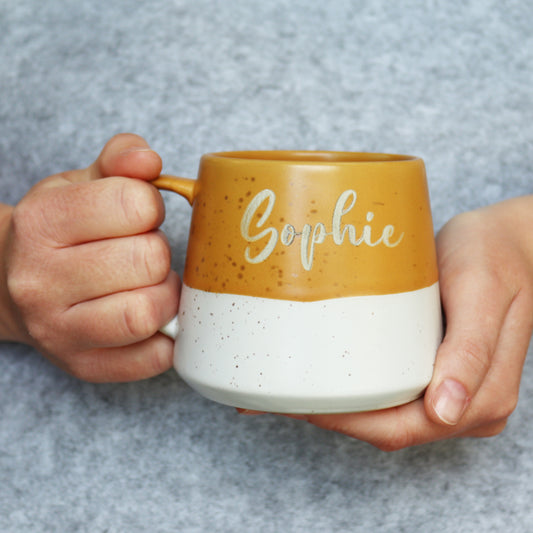
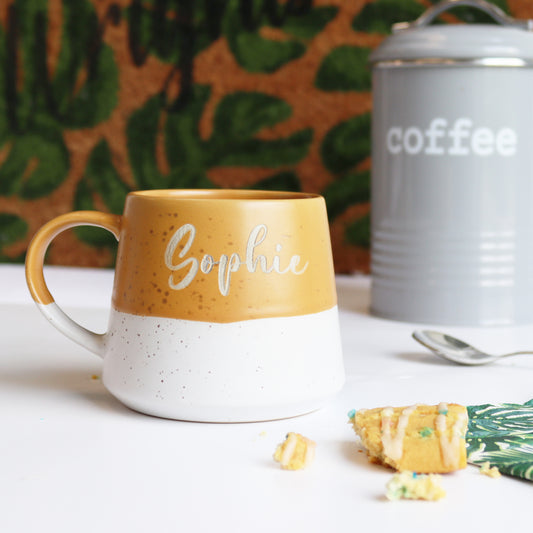
All over the world traditional craft skills are being lost, and craftsmen have to work in large-scale factories to support their families. We support craftsmen whenever we can, in the UK and abroad. Their products are rarely perfectly identical, so there may be colour and size variations, but they always have that indefinable “something” that’s created when a craftsman has used his or her hands to make the goods.
Made in the UK
There are scores of great young designers and innovative manufacturers in our country. We applaud them, and support them wherever we can. We also encourage them to use recycled materials, and we package and transport their products as efficiently as we can. UK talent, minimum environmental impact.
Recyclable
At Biome we take a special interest in recycling, both of our products at the end of their lives, and of the packaging we use in getting the product to you. And we are constantly on the lookout for products that can have a "life" after you’ve finished with them. We minimise packaging and keep it simple. Most of it can be recycled or reused, and our goal is to make all of it recyclable or re-useable.
Organic
Biome will always favour products where the materials used are organically grown. Organic farming greatly reduces the fertiliser and pesticide loading that the world is subject to, and it also eliminates the possibility of pesticide-related toxins in the product.
Recycled
We are constantly looking for products made from reprocessed waste materials. Their production reduces the waste going to landfill, whilst also reducing further drain on finite resources.
Sustainable
We always ask ourselves if the materials used in making the product are from sustainable sources.
Fair trade/ cooperative produced
Globalisation can be a wonderful thing, especially when it allows us to buy goods from around the world in our local stores in the UK. But when huge retailers here buy from small producers they drive terribly hard bargains. Small farmers and workshops in the developing world are sometimes forced to sell at prices so low that they can barely meet their basic production costs. How can they then invest in their businesses, pay living wages, or even feed their families?
Sea-Freight
We all know how polluting air travel is, and we worry about the "airmiles" in every imported foodstuff sold in our local supermarket. But Biome have discovered that bringing goods to the UK by sea is not only less polluting than the air alternative, it's actually the "greenest" of all the means of commercial transport available.
Energy efficient
We ask ourselves how efficient the use of energy is during consumption of the product that we are considering retailing. As much as a quarter of all UK carbon dioxide emissions come from the fuels we use in our homes.